
HYDRAULIC MODEL DEVELOPMENT CALIBRATION
FROM DATA TO DECISIONS GET A MODEL YOU CAN TRUST
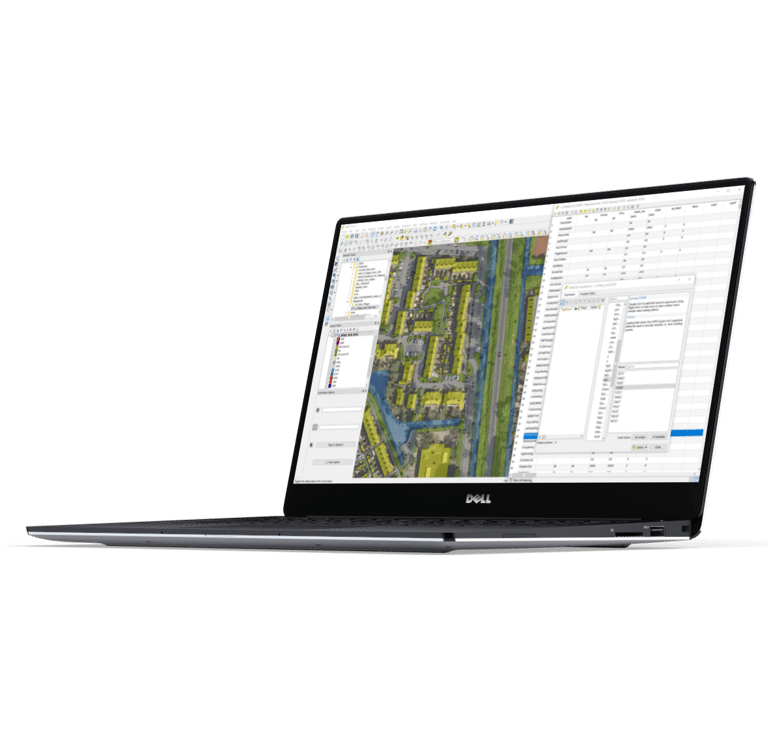
HydraLink builds, calibrates, and validates hydraulic models that help utilities, municipalities, and engineers plan, design, and operate water systems with total confidence.
&
-
HYDRAULIC MODEL DEVELOPMENT CALIBRATION
FROM DATA TO DECISIONS GET A MODEL YOU CAN TRUST
HydraLink builds, calibrates, and validates hydraulic models that help utilities, municipalities, and engineers plan, design, and operate water systems with total confidence.
&
-
THE CHALLENGE
Even the most advanced model is only as good as its calibration.
When hydraulic models are built on incomplete data or outdated assumptions, the consequences multiply:
INACCURATE CAPACITY FORECASTS
DESIGN OR INVESTMENT ERRORS
DELAYED APPROVALS AND COSTLY REWORK
HydraLink turns fragmented data into a reliable decision-making tool — ensuring your model reflects how the system really performs, not just how it should.


THE CHALLENGE
Even the most advanced model is only as good as its calibration.
When hydraulic models are built on incomplete data or outdated assumptions, the consequences multiply:
HydraLink turns fragmented data into a reliable decision-making tool — ensuring your model reflects how the system really performs, not just how it should.
INACCURATE CAPACITY FORECASTS
DESIGN OR INVESTMENT ERRORS
DELAYED APPROVALS AND COSTLY REWORK


OUR APPROACH
HydraLink follows a structured, seven-step calibration process that guarantees every model is accurate, traceable, and field-validated.
Each step is transparent and data-driven — giving our clients measurable confidence in every result.


Initial Data Review
We collect all available source materials — existing hydraulic model files, GIS data, as-built drawings, and operational records.
Each dataset is reviewed to assess the completeness and accuracy of network components, facilities, pump curves, and tank data.
This step helps identify missing or inconsistent information early, ensuring calibration accuracy later.
Model Update Development
We build or update your model using:
GIS or as-built drawings for network layout
P&ID and schematics for facilities
Pump and tank curves based on design and operational data
Every attribute is reviewed to ensure it represents current field conditions.
Field Test Planning
Transmission System Calibration
Distribution System Calibration
Model Validation
We adjust trunk-main and pumping-station parameters so that modelled pressures and flows match real-world observations.
We design and coordinate field tests — including pressure readings, flow measurements, and valve positions — to gather the data needed for precise calibration.
All work is coordinated with client teams to minimize operational disruption.
We fine-tune local distribution networks, accounting for:
Customer demand patterns
Diurnal (day-night) flow variations
Pressure fluctuations at critical nodes
This ensures the model behaves consistently under varying real-world conditions.
We verify the model using independent data sets not used in calibration — confirming that the model is accurate across multiple scenarios.
Finally, we deliver a clear, user-friendly report:
Step-by-step documentation of all changes
Visual dashboards and key metrics
Training sessions to help your team interpret and use the model confidently
Documentation Communication
&
&


OUR APPROACH
HydraLink follows a structured, seven-step calibration process that guarantees every model is accurate, traceable, and field-validated.
Each step is transparent and data-driven — giving our clients measurable confidence in every result.
Initial Data Review
We collect all available source materials — existing hydraulic model files, GIS data, as-built drawings, and operational records.
Each dataset is reviewed to assess the completeness and accuracy of network components, facilities, pump curves, and tank data.
This step helps identify missing or inconsistent information early, ensuring calibration accuracy later.
Model Update Development
We build or update your model using:
GIS or as-built drawings for network layout
P&ID and schematics for facilities
Pump and tank curves based on design and operational data
Every attribute is reviewed to ensure it represents current field conditions.
Field Test Planning
Transmission System Calibration
Distribution System Calibration
Model Validation
We adjust trunk-main and pumping-station parameters so that modelled pressures and flows match real-world observations.
We design and coordinate field tests — including pressure readings, flow measurements, and valve positions — to gather the data needed for precise calibration.
All work is coordinated with client teams to minimize operational disruption.
We fine-tune local distribution networks, accounting for:
Customer demand patterns
Diurnal (day-night) flow variations
Pressure fluctuations at critical nodes
This ensures the model behaves consistently under varying real-world conditions.
We verify the model using independent data sets not used in calibration — confirming that the model is accurate across multiple scenarios.
Finally, we deliver a clear, user-friendly report:
Step-by-step documentation of all changes
Visual dashboards and key metrics
Training sessions to help your team interpret and use the model confidently
Documentation Communication
&
&
OUR APPROACH
HydraLink follows a structured, seven-step calibration process that guarantees every model is accurate, traceable, and field-validated.
Each step is transparent and data-driven — giving our clients measurable confidence in every result.


Model Update Development
Initial Data Review
Transmission System Calibration
Field Test Planning
We collect all available source materials — existing hydraulic model files, GIS data, as-built drawings, and operational records.
Each dataset is reviewed to assess the completeness and accuracy of network components, facilities, pump curves, and tank data.
This step helps identify missing or inconsistent information early, ensuring calibration accuracy later.
We build or update your model using:
GIS or as-built drawings for network layout
P&ID and schematics for facilities
Pump and tank curves based on design and operational data
Every attribute is reviewed to ensure it represents current field conditions.
We design and coordinate field tests — including pressure readings, flow measurements, and valve positions — to gather the data needed for precise calibration.
All work is coordinated with client teams to minimize operational disruption.
We adjust trunk-main and pumping-station parameters so that modelled pressures and flows match real-world observations.


Initial Data Review
Model Update Development
Documentation Communication


We fine-tune local distribution networks, accounting for:
Customer demand patterns
Diurnal (day-night) flow variations
Pressure fluctuations at critical nodes
This ensures the model behaves consistently under varying real-world conditions.
We verify the model using independent data sets not used in calibration — confirming that the model is accurate across multiple scenarios.


Finally, we deliver a clear, user-friendly report:
Step-by-step documentation of all changes
Visual dashboards and key metrics
Training sessions to help your team interpret and use the model confidently
HOW HYDRALINK ADDS VALUE
Hydraulic calibration isn’t just a technical task — it’s a foundation for better decisions.
WITH HYDRALINK, YOU GET:
CONFIDENCE IN YOUR DATA
OPERATIONAL EFFICIENCY
every parameter validated and documented.
eliminate rework and delays caused by uncertainty.
REGULATORY COMPLIENCE
with real field data for accurate performance predictions.
KNOWLEDGE TRANSFER
we train your team to maintain and update models independently.
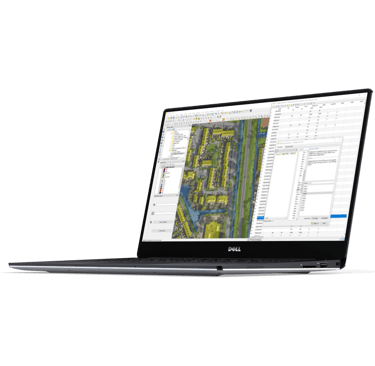
HydraLink’s calibration services save utilities weeks of rework and thousands in budget overruns — by getting it right the first time.




HOW HYDRALINK ADDS VALUE
Hydraulic calibration isn’t just a technical task — it’s a foundation for better decisions.
WITH HYDRALINK, YOU GET:
CONFIDENCE IN YOUR DATA
OPERATIONAL EFFICIENCY
every parameter validated and documented.
eliminate rework and delays caused by uncertainty.
REGULATORY COMPLIENCE
with real field data for accurate performance predictions.
KNOWLEDGE TRANSFER
we train your team to maintain and update models independently.
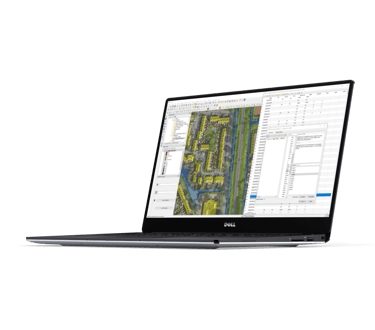
HydraLink’s calibration services save utilities weeks of rework and thousands in budget overruns — by getting it right the first time.



RESULTS IN ACTION
HYDRAULIC MODEL DEVELOPMENT CALIBRATION
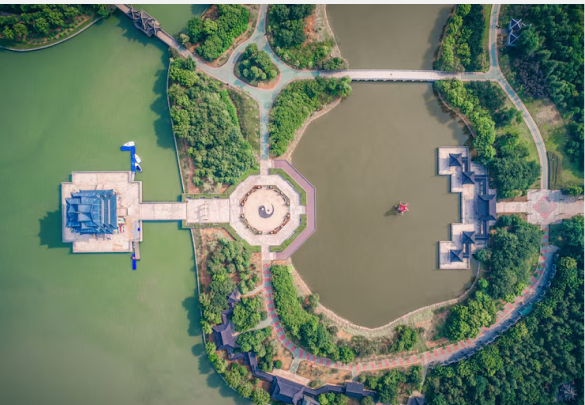
HydraLink developed a calibrated hydraulic model from scratch using GIS and field data, to ensure the client's development approval process was on track and on budget.


CLIENT:
SOLUTION:
CHALLENGE:
RESULT:
City of Richmond Hill
The City of Richmond Hill was looking for a complete update and recalibration of their water and wastewater hydraulic models.
A comprehensive study that not only re-built the hydraulic water model to incorporate regional infrastructure as boundary conditions but also informed City's Asset Management Plan. Including Capital Improvement Plan prioritization strategy and climate change resiliency assessment.
An updated and calibrated planning-level hydraulic water and wastewater models.
We are able to anticipate challenges in what could be routine modelling tasks but, if overlooked, cost thousands in rework and delay projects. This comes from hands-on experience.
Semyon Chaymann
Founder & CEO


RESULTS IN ACTION
HYDRAULIC MODEL DEVELOPMENT CALIBRATION
HydraLink developed a calibrated hydraulic model from scratch using GIS and field data, to ensure the client's development approval process was on track and on budget.

CLIENT:
SOLUTION:
CHALLENGE:
RESULT:
City of Richmond Hill
The City of Richmond Hill was looking for a complete update and recalibration of their water and wastewater hydraulic models.
A comprehensive study that not only re-built the hydraulic water model to incorporate regional infrastructure as boundary conditions but also informed City's Asset Management Plan. Including Capital Improvement Plan prioritization strategy and climate change resiliency assessment.
An updated and calibrated planning-level hydraulic water and wastewater models.
We are able to anticipate challenges in what could be routine modelling tasks but, if overlooked, cost thousands in rework and delay projects. This comes from hands-on experience.
Semyon Chaymann
Founder & CEO


SUPPORTING SERVICES, YOU MAY ALSO NEED
Enhance your Watermain Hydraulic Analysis with related expertise:
FIRE FLOW AND CRITICALITY ANALYSIS


NON REVENUE WATER REDUCTION PROGRAMS
DIGITAL WATER TWINS
PROJECT MANAGEMENT
verify compliance and fire safety readiness.
identify and minimize system losses.
connect models to live operational data for smarter planning.
transparent delivery, from data collection to reporting.
-
SUPPORTING SERVICES, YOU MAY ALSO NEED
Enhance your Hydraulic Model Development & Calibration with related expertise:
FIRE FLOW AND CRITICALITY ANALYSIS


PROGECT MANAGEMENT
NON REVENUE WATER REDUCTION PROGRAMS
DIGITAL WATER TWINS
verify compliance and fire safety readiness.
transparent delivery, from data collection to reporting.
identify and minimize system losses.
connect models to live operational data for smarter planning.
-


WHY CHOOSE HYDRALINK
Years of International Industry Experience
Projects Completed
Hours of Expert Consultation
Water Network Risks Mitigated
15
10K
50
+
120
+
+
+
WHY CHOOSE HYDRALINK
15
+
Years of International Industry Experience
120
+
Projects Completed
10,000
+
Hours of Expert Consultation
50
+
Water Network Risks Mitigated
Build a model you can rely on today and for years to come.
Let’s bring accuracy and confidence to your water system.
-
Build a model you can rely on today and for years to come.
Let’s bring accuracy and confidence to your water system.
-
Services
+1 705 242 7333
Lisbon, Portugal 2870-825
Thornbury, Canada N0H 2P0
info@hydralinksolutions.com
All rights reserved. 2024 Hydralink Solutions Inc.



Buffalo, WY, USA 82834




Smarter.Faster.
Reliable Water Solutions.